Introduction
In today's health care landscape, specialized training is significantly crucial for nursing specialists seeking to master their jobs. One area that has gained significant focus is dysphagia-- the clinical term for trouble swallowing. This problem can emerge from many reasons, consisting of neurological conditions, head and neck cancers cells, and other ailments. As the population ages and the occurrence of dysphagia rises, the need for experienced specialists has never ever been higher. This article looks into the importance of dysphagia training for nurses, exploring how customized dysphagia training can enhance career prospects while improving client care.
What is Dysphagia?
Definition and Overview
Dysphagia describes a series of problems including problem ingesting. People may experience discomfort throughout swallowing (odynophagia) or really feel as though food is stuck in their throat or breast. This problem can dramatically influence dietary intake and top quality of life.
Prevalence of Dysphagia
The frequency of dysphagia varies throughout various populations however is particularly common among older adults. According to research study, around 15-30% of older grownups experience some kind of dysphagia. Comprehending these stats highlights the relevance of specialized treatment in this field.
Why Specialized Dysphagia Training Matters
Enhancing Individual Care
Specialized dysphagia training courses furnish nurses with the skills needed to analyze and manage people properly. Understanding got via these programs aids nurses recognize dietary adjustments, positioning strategies, and risk-free ingesting techniques that are important for individual safety.
Boosting Occupation Opportunities
Holding certifications in dysphagia care can set a registered nurse in addition to their peers. Facilities typically prioritize prospects with specialized training when loading placements associated with geriatric treatment, rehab, or intense treatment settings.
Advancing Your Profession: The Value of Specialized Dysphagia Training for Nurses
Skills Got With Training
Participating in a dysphagia training course allows nurses to obtain useful skills such as:
- Assessment techniques for determining ingesting difficulties Knowledge about various structures and adjustments for food Strategies for protecting against aspiration Interventions customized to private person needs
Importance in Multi-Disciplinary Teams
Nurses play an indispensable role within multi-disciplinary teams managing client treatment. A complete understanding of dysphagia permits registered nurses to connect effectively with speech therapists, dietitians, and doctors regarding client needs.
Types of Dysphagia Training Courses Available
Online vs In-Person Training
Both online and in-person dysphagia training courses are readily available. On the internet layouts give adaptability and access, while in-person sessions permit hands-on experience via simulations and team activities.
Certification Programs
Many companies supply qualification programs focused on dysphagia monitoring. These programs typically need conclusion of coursework complied with by exams to validate understanding acquisition.

Curriculum Emphasizes of Dysphagia Training Courses
Fundamental Concepts
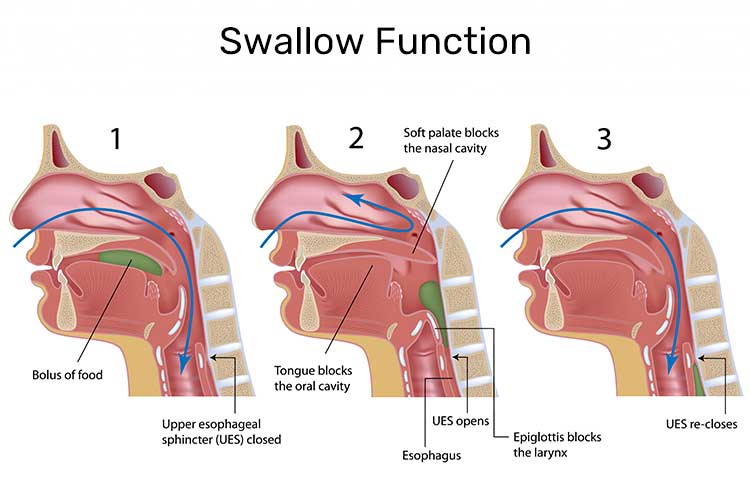
Fundamental facets covered consist of makeup appropriate to swallowing, typical disorders leading to dysphagia, assessment procedures, and interventions developed to boost swallowing safety.
Advanced Techniques
Advanced courses delve deeper into restorative techniques such as neuromuscular electrical stimulation (NMES), which can aid reinforce muscular tissues associated with swallowing.
Who Needs to Go after Dysphagia Training?
Target Audience for Dysphagia Courses
While mostly targeted at nurses, these courses likewise benefit physical therapists, speech-language pathologists, dietitians, and caregivers involved in patient support.
Importance for Care Staff
Dysphagia training for care staff ensures that those providing daily assistance are educated concerning nutritional requirements and safety measures needed for people with ingesting difficulties.
Benefits Beyond Medical Practice
Personal Development
Engaging in specialized training fosters individual growth by broadening knowledge perspectives and improving self-confidence when attending to complex clinical issues.
Networking Opportunities
Training programs commonly offer opportunities to connect with other health care specialists who share similar passions in enhancing person end results connected to dysphagia management.
Common Myths About Dysphagia Training
Myth 1: Just Speech Specialists Required This Training
It's a common false impression that just speech-language pathologists need to focus on dysphagic problems; nevertheless, registered nurses play a vital function in monitoring signs and symptoms and applying interventions.
Myth 2: It's Not Needed if You Work with Older Adults
While it may seem instinctive that older grown-up caregivers require this expertise most urgently due to higher occurrence prices among seniors, all doctor can gain from understanding dysphagic requirements throughout numerous demographics.
Key Components of Reliable Dysphagia Management
Comprehensive Assessment Techniques
Effective administration starts with extensive analyses that analyze both physical capacities connected to swallowing along with emotional variables affecting food intake behaviors.
Individualized Treatment Plans
Creating personalized plans based upon evaluation findings makes certain each patient's one-of-a-kind demands are resolved suitably-- something just skilled experts can achieve seamlessly!

Real-Life Applications: Instance Studies
Here we study real-life applications showing just how specialized training effects individual treatment:
|Study|Summary|| ------------|-------------|| Elderly Patient|After completing a training course on handling dementia-related dysphasia obstacles, Registered nurse X had the ability to carry out reliable strategies preventing choking incidents during meals!|| Stroke Survivor B|Nurse Y utilized her newfound abilities post-training by collaborating very closely with SLPs (Speech-Language Pathologists) leading recovery efforts after strokes impacting swallowing ability.|
FAQs regarding Dysphagia Training
What is included in a typical dysphagia training course?- Most programs cover composition related to ingesting, assessment techniques, treatment techniques & & more!
- Completion time differs however generally varies from several weeks up-to 6 months relying on course intensity!
- Many programs need previous nursing experience or fundamental knowledge regarding composition & physiology!
- Yes! Lots of organizations offer versatile online alternatives enabling trainees complete coursework according their schedules!
- While not mandatory anywhere; holding certifications enhances work prospects & shows dedication towards professional development!
- Some employers do supply financial help or repayments so it's ideal method inquire directly before signing up yourself!
Conclusion
Investing time right into gaining understanding through specialized dys-phag-i-a train-ing provides both tangible advantages like boosted pa-tient results along with abstract benefits such as boosted self-confidence within scientific method atmospheres-- a win-win Click for more info situation! As you consider progressing your profession course even more down this method remember: the a lot more you find out about taking care of complex situations successfully increases not simply your professional value however also considerably enhances lives strained by chronic wellness difficulties connected with swallowing disorders as well! Currently isn't that something worth pursuing?
By focusing on constant education within nursing techniques-- specifically worrying locations like swallow-ing difficulties-- we're not only improving our individual skillsets yet also favorably affecting those around us every single day!